
Why Landlords Request a CPA Letter for Rental Applications
If you’re self-employed or have a non-traditional income, you may have noticed that some landlords ask for a CPA letter when reviewing your rental application. But why do landlords request a CPA letter for apartment or a CPA letter for rental applications? It all comes down to verifying your income and ensuring you’re financially stable enough to cover rent. Let’s break it down in a simple, easy-to-understand way. What Is a CPA Letter? A CPA (Certified Public Accountant) letter is a document written by a licensed accountant confirming your income, employment, and financial stability. It serves as an official verification that your financial situation is strong enough to handle rental payments. What’s Included in a CPA Letter? A typical CPA letter contains: Your full name and business name (if applicable) Income verification (typically for the past two years) Business status (if you’re self-employed) Professional accountant’s details (name, license number, and contact info) A statement verifying your financial ability to meet rent obligations Why Do Landlords Request a CPA Letter? Many landlords require a CPA letter for several reasons: 1. To Verify Self-Employment Income Unlike traditional employees who have pay stubs and W-2s, self-employed individuals and freelancers don’t have standard income documentation. A CPA letter provides legitimate proof of your earnings. 2. To Confirm Financial Stability Landlords want reliable tenants who can consistently pay rent. A CPA letter helps them assess whether your income is steady and sufficient. 3. To Prevent Fraud Some applicants may misrepresent their income to qualify for a rental. A CPA letter from a certified professional adds an extra layer of trust and legitimacy. 4. To Satisfy Strict Landlord or Property Management Requirements Some high-end rentals and strict landlords have more rigorous screening processes. If you’re renting a luxury apartment or a home in a competitive market, a CPA letter could be a requirement. Who Typically Needs a CPA Letter for a Rental Application? Not everyone needs a CPA letter, but it’s common for: Self-employed individuals (freelancers, business owners, consultants) Gig workers and independent contractors People with irregular income streams High-net-worth individuals without traditional income proof How to Get a CPA Letter for a Rental Application 1. Contact Your CPA If you already work with a Certified Public Accountant, request a letter that confirms your income and business status. 2. Provide Necessary Information Your CPA will need: Your business details (if applicable) Income reports from the last two years Any other financial documents proving stability 3. Ensure It’s Professionally Written A properly formatted CPA letter should be: Clear and concise On official letterhead Signed by the CPA with their license number 4. Submit It with Your Rental Application Once you receive your CPA letter, include it with your rental documents to strengthen your application. Alternative Documents If You Don’t Have a CPA Letter If you don’t have access to a CPA letter, consider submitting: Bank statements showing consistent income Tax returns (typically from the past two years) Profit and loss statements Client invoices or contracts These alternatives may also satisfy your landlord’s requirements. Tips to Strengthen Your Rental Application Provide multiple forms of income proof alongside your CPA letter. Maintain a high credit score, as it shows financial responsibility. Offer to pay a higher security deposit to ease the landlord’s concerns. Include references from past landlords or clients. Frequently Asked Questions About CPA Letter for Apartment 1. Do all landlords require a CPA letter? No, but many do if you’re self-employed or don’t have traditional income verification. 2. How long does it take to get a CPA letter? It depends on your accountant, but it usually takes a few days to a week. 3. Can I write my own CPA letter? No, a CPA letter must be written and signed by a licensed Certified Public Accountant. 4. What if my CPA refuses to write the letter? If your CPA declines, ask them why. You may need to provide additional documentation, or you can seek a different licensed accountant for assistance. 5. Does a CPA letter guarantee rental approval? No, but it significantly improves your chances by demonstrating financial reliability. By understanding and preparing a CPA letter properly, you’ll be in a great position to land your next rental home! Final Remarks: Understanding why landlords request a CPA letter for rental applications can help you prepare a stronger rental application. If you’re self-employed or have an unconventional income source, this document reassures landlords of your ability to pay rent on time. By obtaining a well-prepared CPA letter or alternative financial proof you’ll boost your chances of securing your ideal rental property.
Who Typically Needs a CPA Letter? Information for Beginners
If you’ve ever applied for a loan, mortgage, or government funding, you may have been asked to provide a CPA letter. This document, issued by a Certified Public Accountant (CPA), serves as a formal verification of financial information. But who typically needs a CPA letter or CPA letter for apartment, and why is it so important? Let’s break it down in simple terms to help you understand whether you might need one. What is a CPA Letter? What is a cpa letter. A CPA letter is a formal document prepared by a Certified Public Accountant that confirms an individual’s or business’s financial details. These letters are commonly used to verify income, net worth, business status, or debt obligations for lenders, government agencies, or other financial institutions. Who Typically Needs a CPA Letter? 1. Business Owners Entrepreneurs and business owners often require CPA letters when applying for business loans, credit lines, or partnerships. Lenders want proof of business income and financial stability, and a CPA letter helps verify these details. 2. Mortgage Applicants Buying a home? Many mortgage lenders require self-employed individuals or those with variable income to submit a CPA letter to confirm their income and financial standing. 3. Investors High-net-worth investors seeking financing or managing multiple assets may need a CPA letter to verify net worth or provide confirmation of investment income. 4. Government Agencies Various government bodies may request a CPA letter for grant applications, tax audits, or regulatory compliance. 5. Loan Applicants If you’re applying for a personal or business loan, financial institutions may ask for a CPA letter to ensure you have the financial capacity to repay. 6. Visa Applicants Some visa categories require applicants to prove their financial independence. A CPA letter can confirm income, savings, or financial backing, increasing the chances of approval. 7. Contractors and Freelancers Independent workers without traditional pay stubs may need a CPA letter to verify self-employment income when applying for rentals, loans, or insurance policies. 8. Nonprofit Organizations Nonprofits often require CPA letters to confirm financial status and compliance when applying for grants, funding, or tax-exempt status. Why a CPA Letter is Important Verification of Financial Health: Ensures accuracy in financial reporting. Compliance with Regulations: Helps meet financial and legal requirements. Enhancing Credibility: Lenders and investors trust CPA-verified information. Types of CPA Letters Income Verification Letters: Confirms income details for lenders. Comfort Letters: Assures financial matters. Net Worth Statements: Details an individual’s or business’s total financial worth. Debt Confirmation Letters: Verifies outstanding financial obligations. How to Get a CPA Letter Contact a CPA with experience in financial verification. Provide required documentation, such as tax returns and income statements. Discuss the purpose of the letter to ensure accuracy. Wait for completion, which can take a few days to a week. Common Mistakes to Avoid Providing incorrect information that could delay approval. Not requesting in time, leading to missed deadlines. Choosing an unqualified CPA could make the letter invalid. Frequently Asked Questions CPS Letter for Apartment 1. How much does a CPA letter cost? The cost varies depending on complexity but typically ranges from $100 to $500. 2. How long does it take to get a CPA letter? It usually takes a few days to a week, depending on the CPA’s workload. 3. Can any CPA provide a CPA letter? Yes, but it’s best to choose a licensed and experienced CPA familiar with your financial history. 4. Is a CPA letter legally required? Not always, but it is often necessary for loan approvals, visas, and business transactions. Conclusion: A CPA letter is a crucial document for business owners, loan applicants, freelancers, and investors who need to verify financial information. It enhances credibility, ensures compliance, and provides financial transparency. If you find yourself needing one, consult a licensed CPA to ensure accuracy and reliability.
What is a CPA Letter for Apartment Rentals or Home Purchases?
Looking to rent an apartment or buy a home but don’t have traditional proof of income? That’s where a CPA letter can help. If you’re self-employed, a freelancer, or a business owner, landlords and mortgage lenders might require additional verification of your earnings. A CPA letter for apartment rentals or home purchases serves as an official confirmation of your financial stability, helping you secure the place you want. In this guide, we’ll walk you through everything you need to know about CPA letters what they are, why you need one, and how to request it from your accountant. Whether you’re a first-time homebuyer or a renter struggling to provide proof of income, we’ve got you covered. Let’s dive in! What is a CPA Letter for Apartment Rentals Purchases? A CPA Letter is an official document prepared by a Certified Public Accountant (CPA) to verify an individual’s income, financial stability, or self-employment status. This letter is often requested by landlords or mortgage lenders to assess the applicant’s ability to afford a rental property or a home purchase. Why Do You Need a CPA Letter? For self-employed individuals, freelancers, or business owners, proving income can be more complicated than for traditional employees. A CPA letter helps verify income and financial standing, making it easier to secure a lease or mortgage approval. Lenders and landlords trust CPA verification because CPAs follow strict guidelines when verifying financial information. Who Requires a CPA Letter? Landlords: They may ask for a CPA letter if you don’t have pay stubs or a regular salary. Mortgage Lenders: If you are self-employed, a CPA letter can confirm your income to qualify for a loan. Real Estate Agents: They may request it to ensure a smooth transaction in home purchases. Key Components of a CPA Letter A well-structured CPA letter should include: CPA’s Contact Information (name, address, phone, and license number) Client’s Name Income Verification Details (average income, income consistency) Business Ownership Details (if applicable) Statement of Financial Stability CPA’s Signature and Date How to Request a CPA Letter? Contact Your CPA: Reach out to your accountant and explain the need for the letter. Provide Necessary Information: Share your income details and any specific requirements from the landlord or lender. Review the Draft: Ensure the information is accurate and aligns with your financial records. Get the Final Copy: Request a signed, official copy from your CPA. Common Reasons for CPA Letter Rejection Incomplete Information: Missing key details such as income history or business verification. Inaccurate Data: Any discrepancies can raise red flags for landlords or lenders. Lack of CPA Certification: Some lenders only accept letters from licensed CPAs. How to Ensure Your CPA Letter is Accurate Work with a licensed CPA who has experience writing income verification letters. Ensure consistent financial records (bank statements, tax returns) support the letter. Double-check details before submitting it to your landlord or lender. How Much Does a CPA Letter Cost? The cost of a CPA letter varies but generally falls between $199 and $245, depending on: The complexity of your financial situation The CPA’s experience and rates The urgency of the request Tips for Getting Your CPA Letter Approved Request it early to avoid last-minute delays. Clarify the requirements with your lender or landlord beforehand. Use a reputable CPA to enhance credibility. Alternatives to a CPA Letter If a CPA letter isn’t an option, consider: Tax Returns (Form 1040) Bank Statements (showing regular income deposits) Profit and Loss Statements (for business owners) Frequently Asked Questions 1. How long does it take to get a CPA letter? It depends on your CPA’s availability, but typically 2 hours. 2. Can I write my own CPA letter? No, it must be prepared and signed by a licensed CPA. 3. Is a CPA letter always required for self-employed renters or buyers? Not always, but many landlords and lenders prefer it as verified proof of income. Conclusion A CPA Letter for Apartment Rentals or Home Purchases is a crucial document for self-employed individuals seeking to rent or buy a home. It provides verified income proof, ensuring landlords and mortgage lenders have confidence in your financial stability. If you’re self-employed, securing a CPA letter can be the key to a smooth rental or home-buying process. Always work with a reputable CPA and review your financial details carefully before submission.
Cost of a CPA Income Verification Letter & Best Alternatives
If you need to prove your income for a loan, rental application, or other financial transaction, a CPA income verification letter can help. This letter, issued by a Certified Public Accountant (CPA), confirms your earnings and financial stability. However, many people wonder about the cost of a CPA income verification letter and whether there are cheaper alternatives. In this guide, we’ll break down the typical cost, factors that affect pricing, and alternative ways to verify your income without paying for a CPA letter. What is a CPA Income Verification Letter? A CPA Income Verification Letter is a document prepared by a Certified Public Accountant (CPA) to confirm an individual’s income. It is often required by landlords, lenders, mortgage providers, and other financial institutions when self-employed individuals or independent contractors need to prove their earnings. Unlike tax returns or bank statements, a CPA letter serves as a third-party validation of income stability. It is especially helpful for those who receive 1099 income, own a business, or have variable earnings. How Much Does a CPA Income Verification Letter Cost? The cost of a CPA income verification letter can vary depending on several factors, including location, complexity, and CPA fees. Here’s a general breakdown: Typical Price Range Basic CPA Letter: $199 – $25 (Simple verification, no extensive research) Factors Affecting the Cost Complexity of the Verification: If your income is straightforward, the cost will be lower. However, if you have multiple income sources or business earnings, the CPA may charge more. Urgency: If you need the letter quickly 2 hours, you may pay an expedited service fee. Location: Costs may be higher in major cities like New York, Los Angeles, or Chicago due to higher CPA service fees. What’s Included in a CPA Income Verification Letter? A CPA income verification letter typically contains the following details: Applicant’s Name & Contact Information CPA’s Name, License Number & Contact Details Statement Confirming Income Based on Tax Returns & Financial Records Years of Business Operation (If Self-Employed) Estimated Annual Income & Financial Stability CPA’s Signature & Official Stamp What a CPA Letter Cannot Include Future income guarantees Formal audit certification Statements about financial solvency Alternatives to a CPA Income Verification Letter If a CPA letter is too expensive or unavailable, there are several alternative ways to prove income. 1. Business Bank Statements A 6-12 month history of bank transactions can show consistent income deposits. Many landlords and lenders accept this as proof of income. 2. Tax Returns & IRS Documents Form 1040 (Personal Tax Return) – Provides official income details. Schedule C (For Self-Employed Individuals) – Shows business profits and losses. Form 1099 (For Independent Contractors) – Documents income from clients. 3. Pay Stubs or Profit & Loss Statements If you pay yourself a salary from your business, recent pay stubs can be used. A CPA-prepared Profit & Loss (P&L) Statement can also serve as verification. 4. Employer or Client Verification Letter A signed letter from an employer or client confirming income can sometimes be used. Must include contact details and payment history. 5. Digital Verification Services Online services like Plaid or Argyle allow direct income verification from banks and payment platforms. Many landlords and lenders now accept these digital reports. Situation CPA Letter Needed? Alternative Options Renting an Apartment Sometimes Tax Returns, Bank Statements Mortgage Application Usually Required Business Bank Statements, 1099 Forms Business Loan Application Often Required Profit & Loss Statement, Digital Verification Self-Employed Income Proof Recommended Employer or Client Letter If a CPA letter is not required, you can save money by using one of the alternative methods above. How to Get a CPA Income Verification Letter If you decide a CPA income verification letter is the best option, here’s how to get one: 1. Gather Required Documents Before contacting a CPA, have the following ready: Last 2-3 years of tax returns Bank statements from the past 6-12 months Profit & Loss Statement (If Self-Employed) Business registration documents (If Applicable) 2. Find a Qualified CPA Look for licensed CPA in your state. Check reviews and credentials before hiring. Ask about costs and turnaround time in advance. 3. Request the Letter Provide all necessary financial documents. Ask the CPA to include required details based on landlord/lender requests. Review the letter before submission to avoid errors. Final Thoughts A CPA Income Verification Letter can be a valuable tool for proving your income, but it comes at a cost. Depending on the complexity, you may pay $199 -$245 for a CPA-prepared letter. However, if a CPA letter is not required, alternatives like tax returns, bank statements, or digital verification services can be used instead. If you’re self-employed or an independent contractor, planning ahead by keeping organized financial records will make the process smoother. Whether you choose a CPA letter or an alternative, ensuring accurate documentation will help you secure your rental, mortgage, or loan approval.
Complete Guide to Self-Employment Income Verification CPA Letter
If you’re self-employed, getting a CPA letter for income verification might seem like a hassle. But in reality, it’s one of the most effective ways to demonstrate your financial stability and prove your income, especially when traditional pay stubs just don’t apply. Whether you’re applying for a mortgage or loan, or even looking to rent an apartment, a CPA income verification letter is a crucial document that can help unlock doors to new opportunities. So, what exactly is a CPA letter, and why is it so important for self-employed individuals? Simply put, it’s a formal document issued by a Certified Public Accountant (CPA) that verifies your income, financial stability, and compliance with tax regulations. This letter serves as an official statement that reassures lenders, landlords, and other institutions that you’re financially responsible even without traditional employment records. In this guide, we’ll walk you through everything you need to know about self-employment income verification CPA letters from what they are when you need them, and how to get one. By the end, you’ll have a solid understanding of why this letter is essential and how it can help you navigate your financial and business goals. What is a Self-Employment Income Verification CPA Letter? For self-employed individuals, proving income and financial stability can be tricky since they often lack the standard pay stubs that traditional employees receive. This is where a self-employment income verification CPA letter comes in. This official document, prepared by a Certified Public Accountant (CPA), serves as a formal verification of your income and financial health. Unlike standard income verification methods, which typically rely on pay stubs or bank statements, a CPA letter is a professional endorsement that the financial information you provide is both accurate and trustworthy. The CPA signs off on your financial records, giving lenders, landlords, and other parties confidence in your claims. How a CPA Letter Differs from Other Income Verification Methods Unlike traditional income verification documents like pay stubs or W-2 forms, a CPA letter can verify income for self-employed people or those who have irregular or non-traditional income sources. While bank statements show money flow, they don’t explain the consistency or legitimacy of income. A CPA income verification letter, on the other hand, offers a professional assurance that your income is accurate and reliable based on your financial records, including tax returns and business statements. Key Benefits of Having a CPA Letter for Self-Employed Individuals Credibility: Since the letter is signed by a licensed CPA, it carries significant credibility. The fact that it’s issued by a professional gives lenders, landlords, and financial institutions confidence in your financial standing. Versatility: Whether you’re applying for a loan, mortgage, or renting an apartment, having a CPA letter provides a versatile and trusted document to verify your income and financial health. Compliance: A CPA letter helps ensure you meet compliance requirements, especially when dealing with tax filings or business transactions. Simplifies Financial Evaluation: Lenders and landlords prefer easy-to-verify documents. The CPA letter simplifies the process, offering a professional summary of your financial situation. Types of CPA Letters for Self-Employed Individuals For self-employed individuals, several specific types of CPA letters serve various purposes. Here are some of the most common ones: 1. CPA Letter for Mortgage When applying for a mortgage, a CPA letter for a mortgage is often necessary for self-employed individuals. Traditional mortgage lenders typically require proof of income to evaluate the borrower’s ability to repay the loan. Since self-employed individuals don’t have a standard paycheck or W-2 form, the CPA letter verifies income based on tax returns, business income, and other relevant financial documents. This letter proves the borrower’s financial stability and assures the lender that the applicant can manage mortgage payments. 2. CPA Letter for Loan Applications If you’re applying for any type of loan and don’t have regular pay stubs, a CPA letter for loan applications helps confirm your income. Whether it’s for a personal loan, business loan, or any other type of financing, this letter serves as a valid alternative to traditional income verification methods. It’s especially important for self-employed individuals who lack conventional documentation but still need access to credit. CPA Letter for Apartment Rentals When renting an apartment, landlords typically want assurance that you can pay your rent consistently. Self-employed tenants often don’t have traditional income verification, like pay stubs. A CPA letter for apartment rentals will confirm your financial stability and demonstrate your ability to meet rental obligations. Landlords appreciate the reliability that comes with having a CPA certify your income, ensuring they are confident in your ability to pay rent. CPA Letter for Tax Compliance In the event of a tax audit or during tax filing, a CPA letter for tax compliance confirms your income and proves that you’ve complied with tax regulations. This letter can be particularly useful if your self-employment has raised questions about your financial practices. It serves as official proof that you comply with the tax laws, making it easier to navigate audits or submissions to the tax authorities. CPA Letter for Business Transactions If you’re involved in a business partnership, merger, or acquisition, a CPA letter for business transactions verifies your business’s financial standing. This letter may include information on your revenue, profitability, and tax compliance, providing all parties involved with an accurate, official summary of your financial health. CPA Letter for Home Loan Applications When applying for a home loan, a CPA letter can be crucial for self-employed individuals to demonstrate financial health. Lenders often view self-employed applicants as riskier because their income may fluctuate. A CPA letter can confirm the applicant’s consistent income and financial stability, increasing their chances of loan approval. When is a CPA Letter Required for Self-Employed Individuals? While CPA letters can be beneficial in many situations, there are specific instances when they become especially important for self-employed individuals. Here are some common scenarios: Income Verification for Non-Traditional Earners Self-employed individuals, freelancers, or business owners often face challenges when it comes to verifying their income, as they don’t receive traditional pay stubs
CPA Letter for Rental Applications: Why You Need One
If you’re self-employed, a freelancer, or receive a 1099 income, you may have already faced challenges when applying for a rental property. Unlike traditional employees with a steady paycheck, proving your income to a landlord can be tricky. That’s where a CPA income verification letter or CPA letter for rental applications comes in! A CPA (Certified Public Accountant) letter serves as official proof of your income, providing landlords with third-party verification that you can afford the rent. Many landlords prefer this document because it reassures them that their finances have been reviewed by a trusted professional. But what exactly is a CPA letter? Why do landlords require it? And how can you get one? Let’s dive in and cover everything you need to know to make your rental application stronger. What is a CPA Letter for Rental Applications? A CPA letter for rental applications is a document issued by a Certified Public Accountant (CPA) to verify a tenant’s income and financial stability. This letter is especially useful for self-employed individuals, freelancers, and independent contractors who don’t have traditional W-2 pay stubs to prove their earnings. Purpose of a CPA Letter Landlords use CPA letters to ensure that an applicant has a reliable income stream and can consistently afford rent payments. Since it’s issued by a licensed CPA, the letter provides third-party validation, making it more credible than self-reported financial statements. How is a CPA Letter Different from an Audited Financial Statement? Unlike an audited financial statement, a CPA letter does not provide formal assurance about the accuracy of a tenant’s financial position. It is simply a verification of income based on the information provided by the applicant. Why Landlords Require a CPA Letter If you’re self-employed or a 1099 worker, you might wonder why landlords insist on a CPA letter instead of just accepting tax returns or bank statements. Here’s why: Income Verification for Self-Employed Tenants Traditional employees can provide pay stubs, but for freelancers, gig workers, and business owners, income can fluctuate. A CPA letter confirms your financial stability, giving landlords confidence in your ability to pay rent. Risk Mitigation for Landlords Landlords want reliable tenants who won’t default on rent. A CPA letter verifies past earnings and can include an income projection to show financial consistency. Compliance with Rental Application Standards In competitive rental markets, landlords set strict requirements to select the most financially stable tenants. Many rental agencies require third-party verification before approving an application. Alternatives to a CPA Letter If a CPA letter isn’t an option, landlords may accept: Bank Statements (To show income deposits). Tax Returns (To verify reported income). Client or Employer Verification Letters (Confirming work contracts and earnings). What a CPA Letter Includes & Excludes Not all financial details can be included in a CPA letter. Here’s a breakdown of what it can and cannot include: A CPA Letter Can Include: Income Confirmation: Based on tax returns, profit & loss statements, and bank records. Business Details: For self-employed individuals, the CPA may outline business income and stability. Estimated Future Income: If necessary, the CPA can provide an Income Projection Letter. A CPA Letter Cannot Include: Guaranteed Future Income: CPAs can estimate, but they cannot promise future earnings. Assurance of Financial Solvency: A CPA letter does not state whether you have outstanding debts. Formal Audit Statements: It is not an audited financial statement, which requires in-depth CPA analysis. How to Obtain a CPA Letter Getting a CPA letter involves a few steps. Here’s what you need to know: Required Documents for a CPA Letter: To prepare your letter, the CPA may ask for: Recent Tax Returns (Typically 2 years). Profit & Loss Statements (For business owners). Bank Statements (To verify income deposits). Employment Contracts or 1099 Forms (For independent contractors). Finding a Qualified CPA To ensure your letter is credible and accepted by landlords, choose a licensed CPA with experience in rental application verification. Look for: Positive Reviews (Check Google or Yelp). Experience with Self-Employed Income Verification. Fast Turnaround Times (Ask how long they take to issue the letter). Cost & Turnaround Time The price of a CPA letter varies based on complexity and location. Expect to pay: $199 – $245 depending on how much financial verification is needed. Processing time: Usually 2 hours. CPA Letter vs. Income Projection Letter For self-employed individuals with fluctuating income, some landlords may request an Income Projection Letter instead of a standard CPA letter. But what’s the difference? Key Differences: A CPA Letter verifies past income: It confirms historical earnings based on tax returns and bank statements. An Income Projection Letter estimates future earnings: It provides a forecast of expected income based on business trends and contracts. When to Use an Income Projection Letter If your income varies seasonally or you’ve recently started a new freelance or business venture, an Income Projection Letter may be more helpful in convincing landlords that you have stable finances. Alternatives if a CPA Letter is Not Available If you can’t provide a CPA letter, don’t worry there are other ways to prove your financial stability to landlords. Here are some alternative documents that can serve as income verification: Business Bank Statements: A series of recent bank statements showing consistent income deposits can reassure landlords of your ability to pay rent. Tax Returns and K-1 Forms: Providing personal or business tax returns (typically for the last two years) helps demonstrate your earning history and financial consistency. Employer or Client Verification Letters: If you’re a freelancer or gig worker, a letter from a regular client or employer can confirm your ongoing income stream. Negotiating with Landlords: Some landlords may request unnecessary documentation. In such cases, be prepared to explain your financial situation and offer other forms of proof. Some property owners are flexible if you can demonstrate stable income in another way. Common Misconceptions About CPA Letters There’s often confusion about what a CPA letter can and cannot do. Let’s clear up some common misconceptions: It Does Not Guarantee Rental Approval: A CPA letter
CPA Letter for Mortgage: Income Verification Guide
If you’re self-employed and applying for a mortgage, you might run into a request for a CPA income verification letter or CPA letter from your lender. But what exactly is it, and why do lenders ask for it? A CPA letter is a document written by a Certified Public Accountant (CPA) that helps verify your income and financial stability. Since self-employed individuals don’t receive W-2s like traditional employees, lenders need extra assurance that your income is legitimate, stable, and sufficient to repay a loan. This letter can make or break your mortgage approval process, so it’s essential to understand what it is, what it includes, and how you can get one. In this guide, we’ll walk you through everything you need to know about CPA letters for mortgages including when they’re required, what they should contain, and how to avoid unnecessary lender demands. Let’s dive in! What is a CPA Letter? And How to Get a CPA Letter for Mortgage Approval A CPA letter is a formal document prepared by a Certified Public Accountant (CPA) to verify financial details about an individual or business. It is commonly used in mortgage applications for self-employed borrowers who don’t have traditional W-2 income verification. The primary purpose of a CPA letter is to confirm income, tax compliance, and business legitimacy to help lenders assess a borrower’s financial stability. Different Types of CPA Letters Comfort Letter:A general verification letter that provides an overview of a borrower’s income and financial condition. Tax Return Verification Letter: Confirms that the CPA prepared and submitted the borrower’s tax returns based on the financial information provided. It does not guarantee accuracy, just that the returns were filed in compliance with IRS regulations. How It Differs from Audited Financial Statements A CPA letter is not an audit. Unlike audited financial statements, which involve a detailed review and opinion on financial accuracy, a CPA letter does not provide assurance. CPAs can verify reported income but cannot guarantee that financial statements have been audited unless an official audit is conducted—which is rarely required for mortgage applications. Why Lenders Require a CPA Letter for Mortgages Traditional employees provide W-2 forms as proof of income, but self-employed borrowers must rely on self-reported income on their tax returns. Since lenders want to ensure that reported income is accurate and stable, they often request a CPA letter as an additional layer of verification. Lenders need to minimize risk before approving a mortgage. A CPA letter reassures them that the borrower has consistent income and the ability to repay the loan. Without employer pay stubs or a standard salary, self-employed individuals face extra scrutiny to prove their financial stability. A CPA letter also helps lenders confirm that the borrower is in good standing with the IRS and compliant with tax regulations. It provides insight into the borrower’s income history, business legitimacy, and tax payments, all of which are essential for lenders assessing financial reliability. What a CPA Letter Can and Cannot Include What a CPA Letter Can Provide A CPA letter can confirm: Income reported on tax returns Self-employment status and business legitimacy Tax compliance (i.e., filing and paying taxes on time) Basic financial trends (e.g., stable or growing income) Limitations of a CPA Letter No financial assurance: A CPA cannot guarantee that income will remain consistent. Not an audit or financial statement review: CPAs can only verify information based on tax filings and provided data. Cannot confirm ability to repay the loan: Lenders make their own assessment based on verified income and credit history. How to Get a CPA Letter for Mortgage Approval Required Documents To get a CPA letter, you’ll need to provide: Recent tax returns (Form 1040, K-1s, or business returns) Bank statements to show cash flow Profit and loss statements (if applicable) Business registration or incorporation documents (if required) Finding and Selecting a Qualified CPA Look for a licensed CPA with experience in tax filings and financial verification. If you already have an accountant, they are the best person to prepare the letter. If not, search for CPAs with expertise in self-employment income verification. Estimated Cost and Turnaround Time Cost: Typically ranges from $199 to $245, depending on complexity. Timeframe: This can take 2 hours, depending on the CPA’s workload. Alternatives and Workarounds if a CPA Letter is Not Available Using Business Bank Statements as Proof of Income Many lenders accept business bank statements as an alternative to a CPA letter. These statements show consistent deposits and cash flow, helping to establish income stability. Providing Tax Returns and K-1 Forms Directly to Lenders Instead of a CPA letter, you can submit: Filed tax returns (IRS Form 1040) Schedule C (for sole proprietors) or K-1 (for business partners/shareholders) These documents offer a direct CPA income verification letter without requiring a CPA’s confirmation. Employer or Client Verification Letters If you’re a freelancer or contractor, you can request a client verification letter stating your income history and contract status. This works similarly to an employment verification letter for traditional employees. When and How to Push Back on Unnecessary Lender Requests Some lenders request CPA letters as a routine requirement, even when not strictly necessary. In such cases, you can: Ask for clarification: Request specific reasons for needing a CPA letter. Provide alternative documents: Offer bank statements, tax returns, or client letters instead. Challenge unreasonable requests: If the lender asks for an audit-level verification, push back, as audits are costly and unnecessary for mortgages. CPA Letters for Rental Properties and Business Loans How a CPA Letter Helps Secure Rental Agreements For self-employed tenants, proving income stability can be a challenge since they lack standard pay stubs or employer verification. A CPA letter provides landlords with assurance that the tenant has consistent income and financial reliability to meet rent obligations. This is especially useful for: Freelancers and gig workers who don’t receive W-2s. Entrepreneurs who have a fluctuating income. New business owners with limited financial history but stable earnings. A CPA letter acts as a financial reference, helping tenants avoid rejection due to unconventional
A Comprehensive Guide to CPA Comfort Letters
In today’s dynamic mortgage landscape, securing loan approval can be a daunting task, especially for self-employed individuals or those with unconventional income sources. Traditional methods of income verification often fall short, leaving applicants in a precarious position. However, amidst this uncertainty, there exists a beacon of assurance – the CPA comfort letter. In this comprehensive guide, we’ll explore the nuances of CPA comfort letters, their pivotal role in mortgage applications, and practical tips for navigating the process effectively. Understanding CPA Comfort Letters A Certified Public Accountant (CPA) comfort letter, also referred to as a CPA verification letter or CPA letter for mortgage, serves as a formal attestation of the financial stability and credibility of an applicant. At its core, the letter validates the accuracy of financial information provided by the applicant to mortgage lenders. It acts as a tangible reassurance, offering lenders confidence in the applicant’s financial standing. Role of CPA Letters in Mortgage Applications For self-employed individuals or those with non-traditional income streams, proving financial stability can be challenging. Lenders often require additional documentation to mitigate perceived risks associated with these applicants. This is where CPA comfort letters play a pivotal role. By verifying income, assets, and overall financial health, these letters provide lenders with the assurance they need to approve loans confidently. Types of CPA Letters for Mortgage Purposes 1. CPA Letter for Self-Employed Individuals This letter is tailored to validate the income sources, business ownership, and financial stability of self-employed applicants. It provides lenders with a comprehensive understanding of the applicant’s financial situation. 2. CPA Letter for Verification of Self-Employment Focused specifically on confirming the applicant’s self-employment status, this letter verifies income sources, business viability, and other pertinent details crucial for loan approval. 3. CPA Comfort Letter for Mortgage Lenders Serving as a formal assurance from a certified accountant, this letter addresses lenders’ concerns regarding income verification, asset valuation, and overall financial stability, thereby expediting the loan approval process. 4. CPA Letter for Home Loan Approval Tailored to meet the requirements of home loan applications, this letter provides a detailed overview of the applicant’s financial credentials, including income sources, assets, and liabilities. 5. CPA Letter for Apartment Rental Applications Beyond mortgages, CPA letters are also valuable in rental applications, reassuring landlords or property managers of the applicant’s financial capacity to meet rental obligations. Contents of a Typical CPA Comfort Letter While the specific contents may vary depending on the lender’s requirements and the applicant’s financial situation, a standard CPA comfort letter typically includes: 1. Introduction: Provides an overview of the letter’s purpose and the relationship between the CPA and the client. 2. Verification of Income: Details income sources comprehensively, ensuring lenders have a clear understanding of the applicant’s financial inflows. 3. Business Ownership and Financial Statements: For business owners, this section verifies ownership stakes, business performance, and stability, lending credibility to the applicant’s financial profile. 4. Asset Confirmation: Validates the applicant’s assets, including bank accounts, investments, and real estate holdings, offering a holistic view of financial resources. 5. Confirmation of Tax Compliance: Affirms the applicant’s compliance with tax obligations, a crucial aspect in assessing financial responsibility. 6. Statement of Independence: Asserts the CPA’s independence and impartiality in preparing the letter, reinforcing its credibility. 7. Contact Information and Signature: Concludes with the CPA’s contact details and signature, ensuring authenticity. The Significance of CPA Comfort Letters In today’s mortgage landscape, where traditional income verification methods may falter, CPA comfort letters emerge as a beacon of reliability. Their role in mitigating risk, facilitating responsible lending practices, and expediting loan approvals cannot be overstated. Tips for Obtaining a CPA Comfort Letter 1. Choose a Qualified CPA: Opt for a certified accountant with expertise in mortgage-related documentation. 2. Provide Comprehensive Documentation: Furnish all relevant financial records to expedite the letter preparation process. 3. Communicate Clearly: Clearly articulate your requirements to the CPA to ensure the letter addresses all pertinent aspects of your financial situation. 4. Plan Ahead: Allow ample time for letter preparation, especially if working within tight deadlines. 5. Review Thoroughly: Scrutinize the letter for accuracy before submission, addressing any discrepancies promptly. Conclusion CPA comfort letters serve as a linchpin in the mortgage approval process, bridging the gap between lenders and borrowers. Their role in instilling confidence, fostering transparency, and empowering borrowers underscores their indispensability in today’s mortgage landscape. With the right guidance and expertise, navigating the maze of mortgage approvals becomes not just manageable but a pathway to homeownership realization.
10 Best Financial Planning tips for Freelancers and self employed individuals

Embarking on a freelancing or self-employment journey is an exhilarating adventure, but it comes with unique financial challenges. To ensure a prosperous and secure future, mastering the art of financial planning is crucial. In this blog, we’ll explore 10 Best Financial Planning tips for Freelancers and self employed individuals, presented in a visually appealing format with tables and a vibrant color scheme. 1. Create a Comprehensive Budget Expense Category Amount ($) Housing Utilities Healthcare Business Expenses Savings Entertainment Miscellaneous Total Begin with a detailed monthly budget, allocating funds to essential categories. This will provide a clear overview of your financial landscape, helping you make informed decisions. 2. Build an Emergency Fund Table: Emergency Fund Tracker Month Emergency Fund ($) Jan 2024 Feb 2024 Mar 2024 Apr 2024 May 2024 Life is unpredictable. Establishing an emergency fund ensures you’re prepared for unexpected expenses, offering peace of mind during challenging times. 3. Set Clear Financial Goals Define short-term and long-term financial goals, outlining specific amounts and deadlines. This will guide your savings and investment strategies. 4. Understand Tax Obligations Task Deadline Gather Receipts and Invoices Estimate Quarterly Taxes Maximize Deductions Consult Tax Professional Navigating tax responsibilities is critical. Keep track of deadlines and consult a tax professional to optimize deductions and minimize liabilities. 5. Invest Wisely Investing wisely isn’t about chasing quick bucks or winning the stock market game. It’s about planting seeds today for a fruitful future. It’s about understanding your goals, balancing risk, and choosing diversified paths to growth. It’s about patience, knowledge, and keeping your emotions in check. It’s about building a secure tomorrow, brick by financial brick. Invest wisely – it’s not just about money, it’s about building a stronger, future-proof you. 6. Invoice and Payment Tracking Maintain a systematic record of your invoices and payments to ensure timely and accurate income tracking. 7. Plan for Retirement Self-employed individuals must prioritize retirement savings. Create a plan and consistently contribute to secure a comfortable retirement. 8. Insurance Coverage What is Insurance Coverage? Insurance coverage is a contract between you (the policyholder) and an insurance company (the insurer). You pay a premium (regular payments) to the insurer, and in return, they agree to financially compensate you if certain events happen, like: Why is Insurance Coverage Important? Life is full of uncertainties. Even the most careful planner can’t predict everything. Insurance coverage provides peace of mind knowing that you’re financially protected if something unexpected happens. It can help you: 9. Continuous Learning and Skill Development Invest in yourself by setting aside funds for ongoing education and skill development. Stay relevant in your industry to enhance earning potential. 10. Regularly Review and Adjust Date Net Worth ($) Financial Goals Progress (%) Jan 2024 Jul 2024 Jan 2025 Consistently review your financial plan, making adjustments as needed. Track your progress and celebrate achievements along the way. 10 Best Financial Planning tips for Freelancers and self employed individuals Conclusion Achieving financial success as a freelancer or self-employed individual requires careful planning and execution. By following these 10 Best Financial Planning tips for Freelancers and self employed individuals you’ll be well on your way to building a stable and thriving financial future. Remember, financial freedom is a journey, not a destination. 10 Best Financial Planning tips for Freelancers and self employed individuals Let’s conquer the chaos of tax season together! Contact Now Read Next Article : 10 Tips for hiring a tax professional
IRS Form 2290 with readable Insights for Truck Owners and Operators
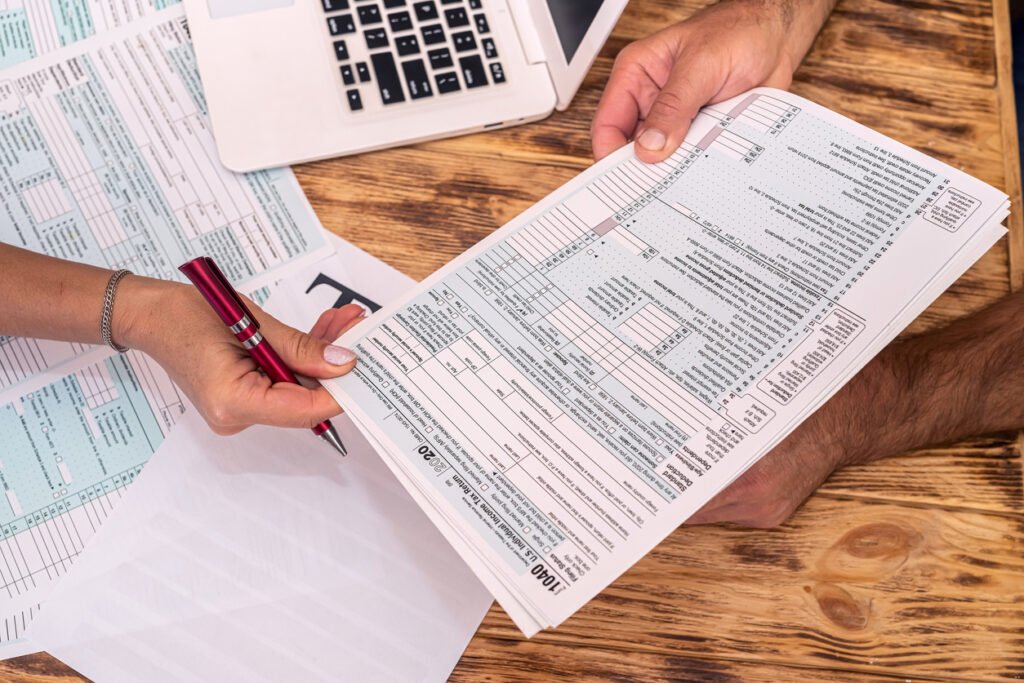
What is IRS Form 2290? IRS Form 2290, also known as the Heavy Highway Vehicle Use Tax Return, is a federal excise tax form used in the United States. It applies to highway motor vehicles with a taxable gross weight of 55,000 pounds or more. This form is an annual requirement, primarily targeting trucks, truck tractors, and buses used on public highways. The tax collected is used for highway construction and maintenance. Who Needs to File Form 2290? If you are an owner of a fleet of heavy vehicles, a single truck operator, or a lessee of a heavy vehicle, you are likely required to file Form 2290. The rule of thumb is that if your vehicle has a taxable gross weight of 55,000 pounds or more and is used on public highways, this form applies to you. When to File? The tax period for Form 2290 begins on July 1 and ends on June 30 of the following year. If you are registering a vehicle for the first time, you must file the form by the last day of the month following the month of the vehicle’s first use. For example, if you first use the vehicle in August, the form must be filed by September 30. How to Calculate the Tax? The tax rate depends on the vehicle’s taxable gross weight. The IRS provides a table in the Form 2290 instructions that outlines the tax rates. The heavier the vehicle, the higher the tax. Additionally, there are special rules and possible reductions for vehicles used less than 5,000 miles annually (7,500 for agricultural vehicles). Filing Methods: Paper vs. E-Filing While you have the option to file Form 2290 on paper, the IRS encourages e-filing, especially for fleet owners who are reporting for 25 or more vehicles. E-filing is faster, secure, and ensures quicker processing of your stamped Schedule 1, which is essential for vehicle registration. Penalties and Compliance Failing to file Form 2290 by the due date can result in penalties and interest. These penalties are based on how late you file and the amount of tax due. Ensuring timely and accurate filing is crucial for compliance and avoiding unnecessary fines. Record Keeping As with all tax-related documents, maintaining accurate records is vital. Keep a copy of your filed Form 2290 and Schedule 1 for at least three years from the date of filing. These documents can be crucial in case of an IRS audit. Conclusion IRS Form 2290 is a critical component of tax compliance for those in the trucking industry. Understanding its requirements, filing deadlines, and the calculation of taxes is essential to avoid penalties and ensure smooth operations. As a CPA, I recommend consulting with a tax professional to ensure accurate and timely filing, especially if your situation involves complexities beyond the standard filing requirements.